GamificationSummit Work Xendit: Driving Innovation in Digital Payments
gamificationsummit work xendit highlights the growing importance of gamified strategies to boost productivity and engagement in corporate environments. Today, companies are no longer relying solely on traditional management methods. Instead, gamification techniques—integrating elements of game design like points, rewards, leaderboards, and challenges—have become pivotal in fostering motivation, collaboration, and innovation. Through gamified systems, organizations can transform mundane tasks into interactive experiences that employees are excited to participate in. The modern workforce increasingly demands engagement that feels meaningful and rewarding, making gamification a core component of organizational strategy.
In addition to employee engagement, gamification provides measurable outcomes. By tracking progress, achievements, and performance, companies can gain data-driven insights into productivity and workflow efficiency. Events like the gamificationsummit work xendit serve as important platforms for thought leaders, HR specialists, and business strategists to share their experiences and innovative approaches to implementing gamification strategies in diverse organizational settings.
The Rise of Gamification in Corporate Culture
In the past decade, gamification has emerged as a transformative approach within corporate culture. gamificationsummit work xendit demonstrates xendit work gamificationsummit how companies can use gamified frameworks to encourage collaboration, learning, and performance improvement. Employees who participate in gamified tasks often report increased job satisfaction, a sense of accomplishment, and motivation to exceed expectations.
The traditional reward system—based mainly on promotions or monetary incentives—is now complemented with interactive game mechanics. These mechanisms make day-to-day work feel like a series of achievable goals rather than repetitive chores. Gamification also encourages friendly competition among teams, allowing employees to showcase their skills while fostering teamwork. By integrating fun into the workflow, organizations reduce burnout, increase retention, and create a positive workplace environment.
Key Principles of Effective Gamification
Effective gamification is not just about adding points or badges. Successful implementations rely on understanding human psychology, motivation, and engagement. At events like gamificationsummit work xendit, experts often emphasize the following principles:
- Clear Objectives – Tasks and challenges must have clear goals.
- Immediate Feedback – Players or employees should know their progress instantly.
- Meaningful Rewards – Rewards should be desirable, achievable, and relevant.
- Progressive Challenges – Challenges should increase in difficulty to maintain interest.
- Social Interaction – Leaderboards, collaboration, and teamwork foster engagement.
By following these principles, gamification transcends superficial tactics and becomes a genuine tool for enhancing performance and satisfaction.
Gamification in Employee Training
gamificationsummit work xendit has highlighted employee training as one of the most impactful areas for gamification. Traditional training methods often fail to capture attention and retain knowledge. Gamified training modules, however, transform learning into an interactive and rewarding experience. Employees can participate in simulations, earn points for completing modules, and receive instant feedback to improve understanding.
Gamified training also allows organizations to tailor learning experiences to individual needs. Employees progress at their own pace, repeat modules if necessary, and achieve mastery before moving on to more advanced tasks. This approach not only increases engagement but also enhances knowledge retention, leading to a more skilled and adaptable workforce.
Enhancing Productivity Through Gamified Workflows
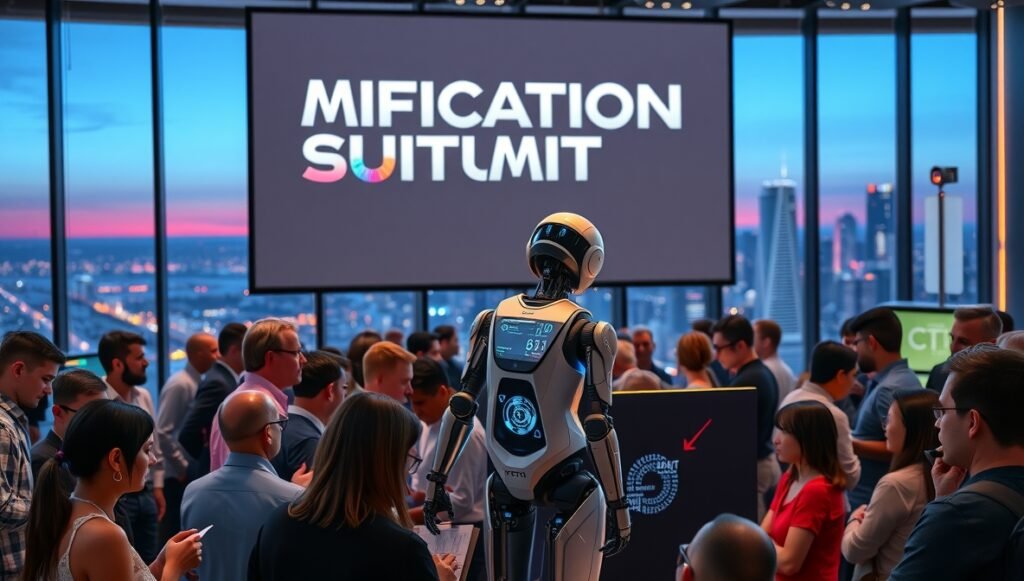
Incorporating gamification into daily workflows significantly boosts productivity. gamificationsummit work xendit provides insights into how companies integrate challenges, progress tracking, and incentives into routine operations. By turning work into a system of achievable goals with tangible rewards, employees feel motivated to complete tasks efficiently and with higher quality.
Gamified workflows encourage focus and accountability. Employees track their own progress, compete in friendly challenges, and collaborate to achieve collective goals. This creates a culture where productivity is both measurable and enjoyable. The gamification approach also allows managers to identify high-performing individuals and provide targeted support to employees who may need guidance.
The Role of Technology in Modern Gamification
Modern gamification relies heavily on technology. Platforms, apps, and software tools provide the infrastructure needed to implement points, rewards, leaderboards, and tracking systems. gamificationsummit work xendit demonstrates how companies utilize advanced technologies like AI-driven analytics, interactive dashboards, and mobile apps to engage employees in meaningful ways.
Technology also enables gamification to scale. Large organizations can implement gamified systems across multiple departments and locations, ensuring consistency and measurable outcomes. Additionally, mobile and cloud-based solutions allow employees to participate anytime, anywhere, fostering flexibility and continuous engagement.
Gamification for Employee Recognition and Rewards
Recognition is a fundamental aspect of motivation, and gamification amplifies its effect. gamificationsummit work xendit emphasizes the power of visual achievements, badges, and public recognition to reinforce positive behaviors. Employees are not only rewarded monetarily but also gain social recognition, which enhances job satisfaction and loyalty.
Gamified recognition systems create transparency and fairness. Colleagues can see accomplishments, track progress, and celebrate milestones together. This approach strengthens workplace relationships, encourages mentorship, and fosters a supportive corporate culture.
Driving Innovation with Gamification
Gamification is not limited to improving existing workflows; it also drives innovation. gamificationsummit work xendit showcases examples where companies use gamified challenges to encourage creative problem-solving. Employees are invited to submit ideas, test prototypes, and participate in innovation competitions, all within a gamified framework.
By turning innovation into a structured, game-like experience, organizations incentivize risk-taking, experimentation, and collaboration. Teams are motivated to explore unconventional solutions, iterate rapidly, and share insights openly. This approach cultivates an environment where creativity thrives and innovation becomes an integral part of the organizational culture.
Measuring the Impact of Gamification
One of the most critical aspects of gamification is measuring its effectiveness. gamificationsummit work xendit provides methodologies for assessing engagement, productivity, and overall impact. Organizations track metrics such as task completion rates, knowledge retention, collaboration frequency, and employee satisfaction.
Data-driven insights help organizations refine gamification strategies, ensuring they remain effective and aligned with business objectives. By analyzing patterns and outcomes, companies can adjust challenges, rewards, and training modules to maximize impact and maintain employee motivation.
Gamification in Customer Engagement
Gamification is not only valuable for internal operations but also for external interactions. Businesses use gamification to enhance customer engagement, loyalty programs, and user experience. gamificationsummit work xendit highlights case studies where companies successfully gamified customer journeys, increasing participation, retention, and satisfaction.
Gamified elements such as points, leaderboards, challenges, and rewards encourage customers to interact more frequently with products and services. This creates a sense of fun and accomplishment while deepening the relationship between the customer and the brand. Customers feel recognized, valued, and motivated to continue engaging with the company.
Challenges and Best Practices in Gamification

Implementing gamification comes with challenges. Poorly designed systems can feel superficial, demotivating, or manipulative. gamificationsummit work xendit underscores best practices to avoid pitfalls:
- Ensure rewards are meaningful and relevant.
- Avoid overly competitive systems that create stress.
- Align gamification with organizational goals.
- Include feedback loops for continuous improvement.
- Promote inclusivity and accessibility for all employees.
By following these principles, organizations can maximize the benefits of gamification while avoiding common mistakes that diminish engagement.
Future Trends in Gamification
The future of gamification looks promising. Emerging technologies, behavioral science, and AI-driven insights are creating opportunities for increasingly personalized and adaptive gamified experiences. gamificationsummit work xendit highlights trends such as real-time feedback systems, immersive virtual environments, and predictive analytics that will shape the next generation of gamification solutions.
As workplaces continue to evolve, gamification will play a crucial role in motivating employees, fostering innovation, and enhancing both internal and external engagement. Forward-thinking companies are already exploring ways to integrate gamification with wellness programs, performance management, and digital collaboration platforms, creating a holistic approach to employee engagement.
Conclusion
In summary, gamificationsummit work xendit has shown that gamification is far more than a trendy concept—it is a strategic tool that enhances engagement, productivity, learning, and innovation across modern organizations. By leveraging gamified systems, companies can transform traditional workflows into interactive, rewarding experiences that inspire employees to perform at their best. From employee training to customer engagement, gamification provides measurable, meaningful, and scalable results. As organizations continue to embrace this approach, the potential for creating dynamic, motivated, and high-performing work environments will only continue to grow. Ultimately, gamification empowers both employees and businesses to achieve goals in a way that is effective, enjoyable, and sustainable.