websites for ticket sale gamificationsummit – Interactive Event Ticketing, Gamification Strategies, and User Engagement Insights
The digital event industry has undergone a dramatic transformation over the last decade. Conferences, summits, expos, and niche gatherings have shifted from traditional registration desks and static ticketing pages to immersive online experiences. This shift has been driven not only by technological innovation but also by changing audience expectations. Modern attendees want more than a transaction; they want engagement, anticipation, and a sense of participation even before the event begins. Within this context, platforms such as websites for ticket sale gamificationsummit have emerged as symbols of how ticketing can evolve into an experience-driven journey rather than a simple purchase.
Ticket sales are no longer isolated from marketing, branding, or community-building. Instead, they sit at the center of a broader ecosystem that blends psychology, design, storytelling, and technology. This article explores how interactive ticketing platforms have developed, why gamification plays a crucial role, and how these systems influence user behavior, event success, and long-term audience loyalty.
The Shift From Static Ticketing to Experiential Platforms
In the early days of online ticket sales, the primary goal was efficiency. Users wanted a fast way to reserve a seat, receive confirmation, and move on. Over time, however, event organizers realized that the ticketing phase was often the first meaningful interaction between the event and the attendee.
This realization led to a redesign of ticketing platforms. Visual storytelling, progress indicators, reward mechanics, and social elements began to appear. Instead of acting as passive portals, platforms became active touchpoints that shaped perception and excitement. In this environment, websites for ticket sale gamificationsummit represent a category of platforms that prioritize engagement alongside functionality.
Understanding Gamification in Event Ticketing
Gamification refers to the application of game-like elements in non-game contexts. In ticketing, this can include point systems, badges, countdown challenges, unlockable perks, and tiered achievements. These elements tap into intrinsic human motivations such as curiosity, competition, and reward anticipation. gamificationsummit xendit work
When applied thoughtfully, gamification can reduce friction in the buying process. Users feel motivated to complete registration steps, explore event details, and share information with peers. Platforms inspired by websites for ticket sale gamificationsummit demonstrate how gamification can transform a routine transaction into a memorable experience that builds emotional investment before the event even begins.
Psychological Drivers Behind Interactive Ticket Sales
Human behavior plays a central role in the success of gamified ticketing systems. Scarcity cues, such as limited-time challenges or exclusive rewards, encourage timely decisions. Progress bars create a sense of momentum, reducing abandonment rates during checkout.
Social proof is another powerful driver. Seeing how many others have already joined, earned rewards, or unlocked benefits reinforces trust and desirability. By integrating these psychological principles, systems modeled after websites for ticket sale gamificationsummit align business objectives with user satisfaction rather than relying solely on urgency or pressure.
Branding and Identity Through Ticketing Experiences
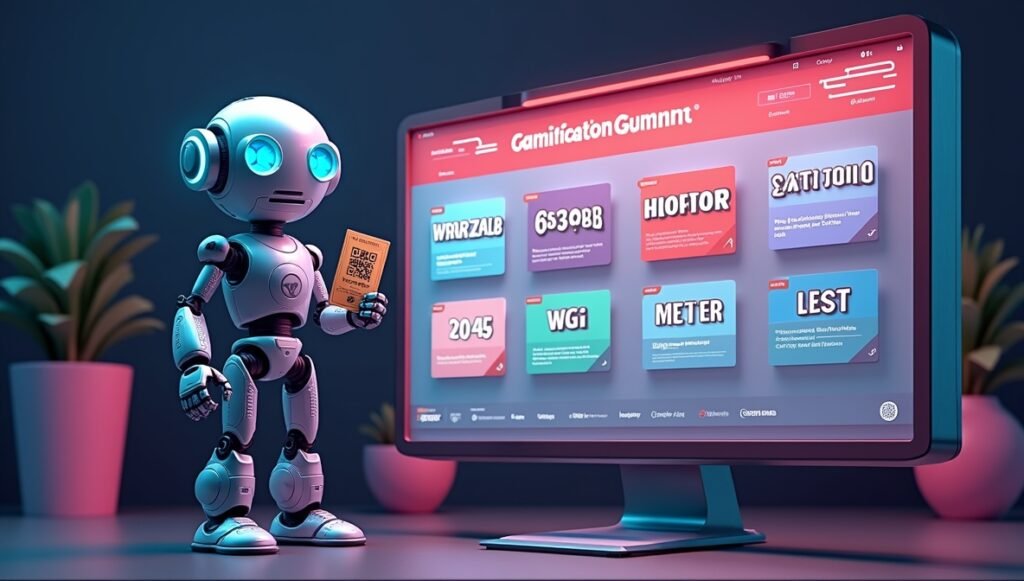
Ticketing platforms are often overlooked as branding tools. Yet they offer a unique opportunity to communicate an event’s identity. Colors, language, animations, and interaction styles all contribute to a cohesive narrative.
For innovation-focused events, gamified ticketing reinforces themes of creativity and experimentation. For professional summits, structured challenges and achievement-based milestones can emphasize growth and mastery. In both cases, websites for ticket sale gamificationsummit illustrate how ticketing interfaces can act as extensions of brand storytelling rather than neutral service pages.
Data, Analytics, and Adaptive Experiences
Modern ticketing platforms generate valuable data about user behavior. Click patterns, time spent on steps, and engagement with interactive elements provide insights into what resonates with audiences. This data allows organizers to refine experiences in real time or for future events.
Adaptive systems can adjust challenges or rewards based on user interaction, creating a personalized journey. Platforms aligned with websites for ticket sale gamificationsummit often leverage analytics to balance engagement with simplicity, ensuring that gamification enhances rather than complicates the process.
Community Building Before the Event
One of the most powerful outcomes of gamified ticketing is early community formation. Leaderboards, referral challenges, and collaborative goals encourage interaction among attendees before the event begins.
This pre-event engagement fosters familiarity and anticipation. Attendees arrive feeling connected rather than isolated. In this way, websites for ticket act as gateways to communities, not just registration tools, setting the tone for networking and collaboration during the event itself.
Accessibility and Inclusive Design Considerations
While gamification offers many benefits, it must be implemented responsibly. Not all users engage with interactive elements in the same way. Accessibility, clarity, and optional participation are essential to avoid alienating certain audiences.
Effective platforms provide clear navigation, alternative paths, and transparent explanations of rewards. The most successful implementations inspired by websites for ticket sale gamificationsummit ensure that gamification enhances accessibility rather than creating barriers for less tech-savvy or differently-abled users.
Monetization and Value Perception
Gamified ticketing can also influence perceived value. Unlockable bonuses, early access perks, or exclusive content can justify pricing tiers and encourage upgrades. Rather than feeling upsold, users perceive these additions as earned rewards.
This approach aligns revenue goals with positive user experiences. Systems similar to websites for ticket sale gamificationsummit show how thoughtful design can increase average transaction value while maintaining trust and goodwill.
Integration With Marketing and Social Channels
Ticketing platforms do not operate in isolation. They are closely tied to marketing campaigns, email strategies, and social media outreach. Gamified elements often include shareable achievements or referral milestones that extend reach organically.
By aligning ticketing mechanics with broader promotional strategies, platforms modeled after websites for ticket turn attendees into active ambassadors, amplifying visibility without relying solely on paid advertising.
Operational Benefits for Event Organizers
From an operational perspective, interactive ticketing systems can streamline logistics. Automated rewards, segmented communication, and behavior-based messaging reduce manual workload. Organizers gain clearer forecasts based on engagement trends rather than relying only on raw sales numbers.
These efficiencies free up resources for content curation, speaker coordination, and attendee support. As demonstrated by websites for ticket sale gamificationsummit, investment in advanced ticketing infrastructure often yields returns beyond immediate sales.
Challenges and Potential Pitfalls
Despite their advantages, gamified ticketing platforms are not without risks. Overcomplication can overwhelm users, leading to frustration or drop-offs. Poorly balanced reward systems may feel manipulative rather than engaging.
To avoid these pitfalls, designers must prioritize user intent and clarity. The success stories associated with websites for ticket sale gamificationsummit highlight the importance of restraint, testing, and user feedback in refining these systems.
Ethical Use of Gamification
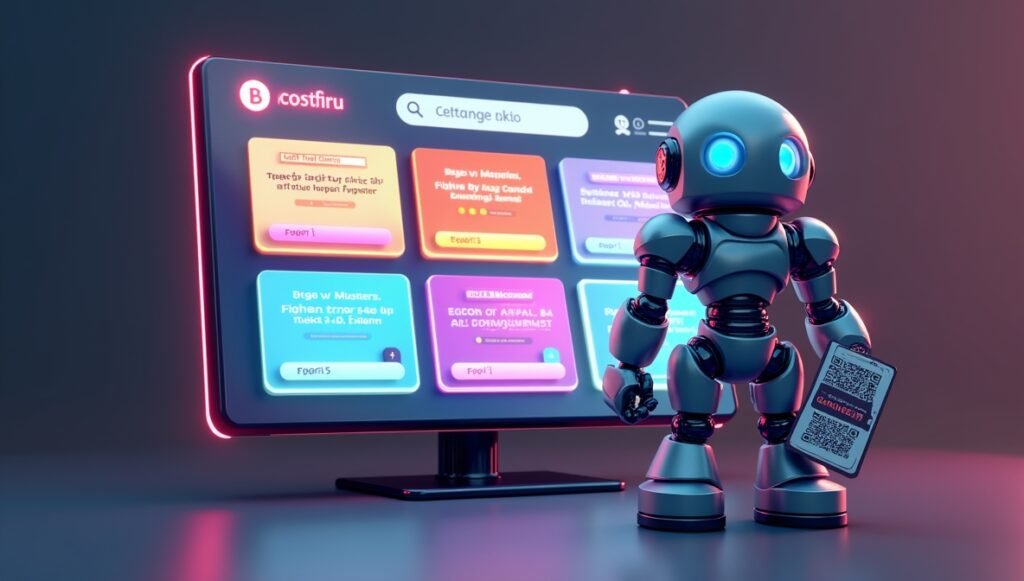
Ethics play an important role in interactive design. Transparency about data usage, fair reward distribution, and avoidance of deceptive practices are essential for maintaining trust.
Gamification should empower users, not exploit them. Responsible platforms inspired by websites for ticket sale gamificationsummit focus on motivation and enjoyment rather than compulsion, ensuring long-term relationships rather than short-term gains.
Long-Term Impact on Event Culture
As gamified ticketing becomes more common, it influences broader event culture. Attendees begin to expect interactivity and personalization as standard features. Events that fail to meet these expectations may feel outdated.
This cultural shift encourages innovation across the industry. By setting benchmarks, websites for ticket sale gamificationsummit contribute to raising standards and pushing event design toward more human-centered experiences.
Future Trends in Interactive Ticketing
Looking ahead, emerging technologies such as artificial intelligence and immersive interfaces are likely to deepen gamification. Predictive personalization, adaptive challenges, and integrated virtual experiences may become common features.
Despite these advancements, the core principle remains unchanged: ticketing is a relationship, not a transaction. Platforms evolving from websites for ticket sale gamificationsummit will continue to explore how technology can support meaningful engagement without sacrificing simplicity.
Conclusion
The evolution of event ticketing reflects broader changes in how people interact with digital experiences. What was once a purely functional process has become a strategic opportunity to build excitement, community, and loyalty. Through thoughtful use of gamification, design, and psychology, ticketing platforms can set the tone for an entire event journey.
By examining models such as websites for ticket sale gamificationsummit, it becomes clear that the future of ticketing lies in balance. Engagement must serve purpose, technology must support humanity, and innovation must remain grounded in user trust. When these elements align, ticketing transforms from a gateway into an experience that begins long before the event doors open.