Xendit Work Gamificationsummit: Driving Innovation and Engagement in the Workplace
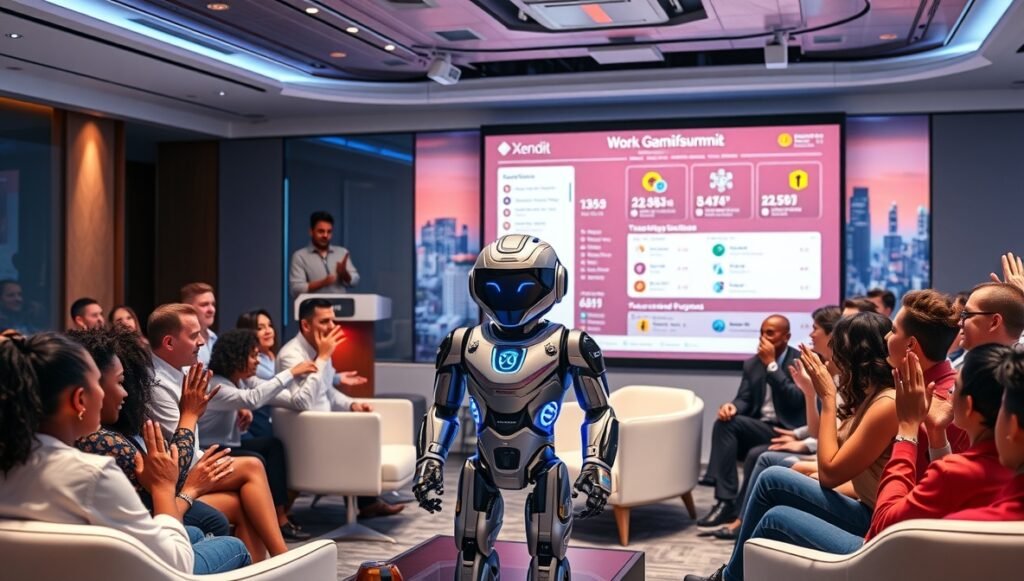
The xendit work gamificationsummit has emerged as a pivotal platform for professionals seeking to explore innovative strategies in workplace engagement. This summit brings together industry leaders, HR innovators, and tech enthusiasts to discuss how gamification can transform traditional workflows, enhance productivity, and foster a culture of collaboration. Attendees of the xendit work gamificationsummit gain valuable insights into practical tools and techniques that can make work more interactive, motivating, and results-driven, setting the stage for the future of dynamic workplace experiences.
Understanding the Concept of Work Gamification
xendit work gamificationsummit represents a turning point in the approach toward workplace engagement. Gamification is the integration of game design principles into non-game contexts, particularly in professional environments, to enhance motivation and participation. By introducing rewards, challenges, leaderboards, and feedback mechanisms, companies create a work environment that is interactive and encourages employees to achieve more while having fun.
Gamification in the workplace goes beyond everything gaming gamificationsummit simple entertainment; it is a structured approach to improving engagement, productivity, and learning outcomes. Employees respond positively when their tasks are presented in ways that are measurable, competitive, and rewarding. Modern organizations are increasingly adopting gamified strategies to solve issues such as disengagement, high turnover, and lack of skill development. Through events like xendit work gamificationsummit, companies can see how real-world applications of gamification transform workflows and promote a thriving work culture.
Why Gamification is Essential for Modern Workplaces
The modern work environment faces unique challenges. Remote teams, flexible schedules, and diverse workforce expectations demand innovative engagement techniques. xendit work gamificationsummit focuses on showing how gamification can address these challenges by creating meaningful interactions and measurable outcomes.
Gamification allows employees to see progress, receive instant feedback, and feel a sense of accomplishment. For instance, integrating point systems, badges, or team challenges creates a competitive yet collaborative atmosphere. Employees become more accountable, motivated, and proactive in reaching goals. In addition, gamification supports learning and development, as complex processes can be broken down into engaging, trackable modules. By understanding the strategies discussed in forums like xendit work gamificationsummit, organizations can implement frameworks that drive both personal and professional growth effectively.
Key Takeaways from the Xendit Work Gamification Summit
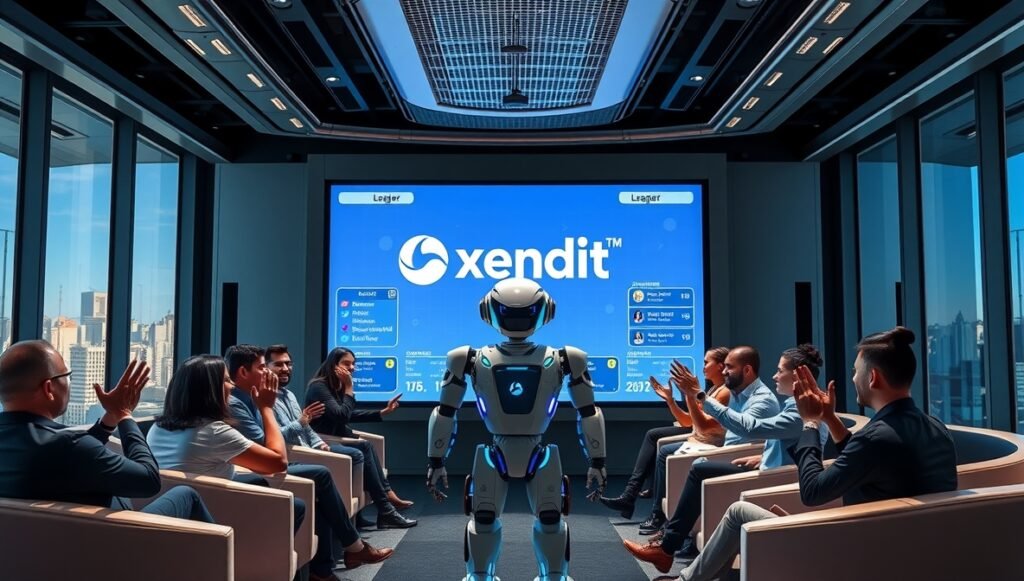
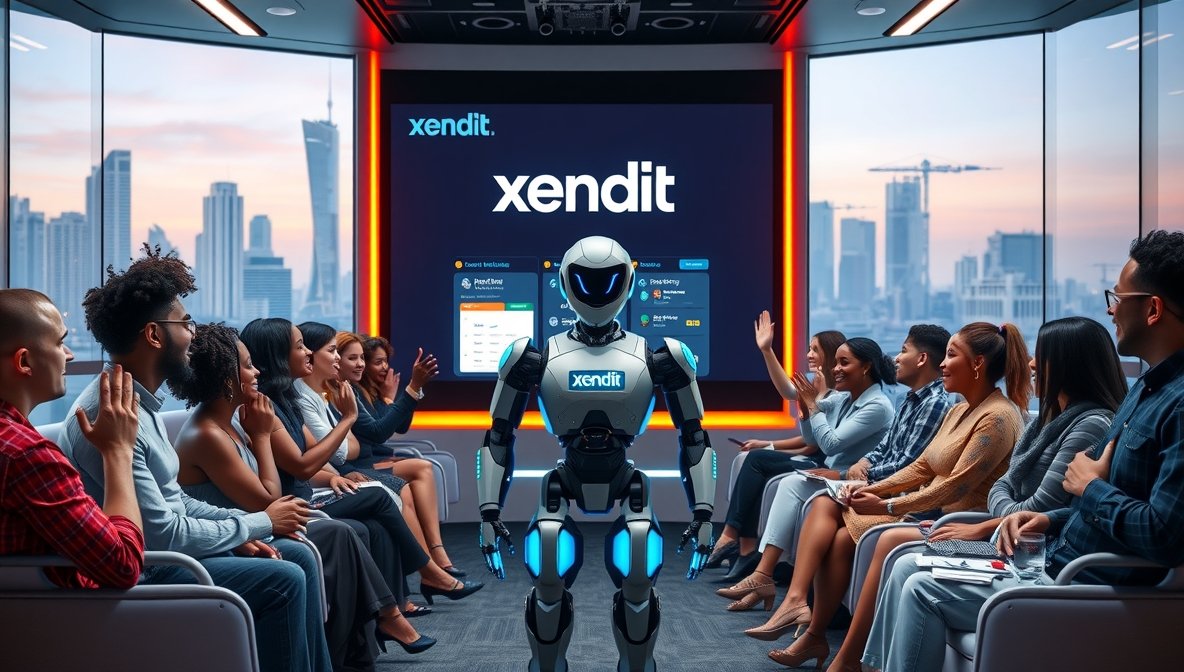
Industry events like xendit work gamificationsummit provide invaluable insights into how gamification strategies are implemented in real-world organizations. Attendees can learn about cutting-edge platforms, success stories, and measurable outcomes from companies that have successfully integrated gamified workflows.
A central takeaway is that gamification is not just about creating games; it’s about fostering motivation, collaboration, and skill development. When employees see visible achievements and rewards, their engagement levels increase. Summit discussions also highlight the importance of aligning gamification strategies with company goals. Without alignment, gamified systems may feel superficial or disconnected from daily tasks. Companies that attend xendit work gamificationsummit gain actionable strategies to improve performance metrics, enhance team dynamics, and reinforce company culture through gamification.
Gamification Techniques That Transform Work
xendit work gamificationsummit emphasizes practical techniques that organizations can implement immediately. Some of the most effective strategies include:
- Point and Reward Systems: Employees earn points for completing tasks, attending training sessions, or achieving goals. Points can be redeemed for recognition, prizes, or privileges.
- Leaderboards: Friendly competition motivates individuals and teams to perform better while fostering collaboration.
- Challenges and Quests: Breaking work into challenges or quests adds excitement and structure to projects.
- Feedback Loops: Immediate feedback helps employees understand their progress and areas for improvement.
- Skill Badges: Recognition for learning new skills or mastering tasks reinforces continuous development.
By applying these techniques, organizations can enhance engagement, improve employee satisfaction, and ultimately boost performance. Experts at xendit work gamificationsummit often stress that gamification should feel meaningful and tied to measurable business objectives.
The Role of Technology in Work Gamification
Technology is the backbone of gamified work environments. xendit work gamificationsummit highlights innovative platforms that enable tracking, reporting, and interactive experiences for employees. From mobile apps to cloud-based systems, technology allows gamification to scale across organizations of all sizes.
Artificial intelligence and machine learning are increasingly being incorporated to personalize gamified experiences. For instance, systems can adapt challenges to an individual’s skill level, provide predictive insights, and suggest new learning pathways. Virtual reality and augmented reality are also being explored to create immersive gamified training experiences. When applied thoughtfully, technology ensures that gamification is not just engaging but also data-driven, measurable, and impactful.
Impact of Gamification on Employee Motivation
One of the central benefits emphasized at xendit work gamificationsummit is the measurable increase in employee motivation through gamified strategies. Motivation in the workplace is a complex issue, influenced by recognition, autonomy, purpose, and growth opportunities. Gamification taps into these factors by creating a sense of achievement, recognition, and progress.
Employees participating in gamified workflows are more likely to collaborate, take initiative, and pursue professional development. The introduction of point systems, achievement badges, and team challenges transforms monotonous tasks into opportunities for growth and recognition. Ultimately, gamification can reduce turnover, increase productivity, and foster a positive organizational culture.
Gamification for Learning and Development
xendit work gamificationsummit highlights how gamification enhances learning and development in organizations. Traditional training methods often fail to engage employees or deliver lasting results. Gamified learning modules, however, use principles such as rewards, feedback, and challenges to encourage active participation.
Employees progress through learning pathways in a structured yet engaging manner. Points, leaderboards, and quizzes transform learning into an interactive process. By incorporating gamification into skill development programs, organizations ensure higher retention rates, greater enthusiasm for learning, and measurable improvements in employee competencies.
Case Studies of Successful Gamification
Many organizations showcased during xendit work gamificationsummit demonstrate the power of gamification in achieving tangible outcomes. For instance, companies implementing gamified onboarding programs report higher employee engagement and faster integration of new hires. Sales teams using point-based systems show increased performance metrics, while customer service teams benefit from recognition-based systems that improve response quality and speed.
These case studies emphasize that gamification works best when aligned with organizational objectives. It is not a one-size-fits-all solution but a customizable strategy tailored to specific business needs.
The Psychological Principles Behind Gamification
Gamification works because it taps into fundamental psychological principles. Attendees of xendit work gamificationsummit learn how human behavior responds to rewards, challenges, and social interaction. Concepts such as intrinsic and extrinsic motivation, goal-setting, and immediate feedback form the foundation of effective gamified systems.
When employees experience positive reinforcement through gamification, they are more likely to repeat desired behaviors, engage with learning content, and collaborate with peers. Understanding the psychological drivers behind gamification ensures that implementations are not superficial but genuinely transformative.
Measuring the Effectiveness of Gamification
Measuring results is essential for any gamification strategy. xendit work gamificationsummit provides insights into KPIs, metrics, and evaluation tools that organizations can use. Metrics such as engagement rates, task completion rates, skill acquisition, employee satisfaction, and productivity are commonly tracked.
Data-driven analysis allows organizations to adjust strategies, identify areas for improvement, and maximize the impact of gamified initiatives. A successful implementation is one where engagement and performance metrics show consistent improvement over time.
Future Trends in Work Gamification
The future of workplace gamification is promising. Innovations in technology, psychology, and organizational design are driving new trends in employee engagement. At events like xendit work gamificationsummit, experts discuss the integration of AI, AR/VR, adaptive learning systems, and personalized reward mechanisms.
Additionally, as remote and hybrid work models become the norm, gamification strategies are being tailored to virtual teams. Remote workers benefit from digital leaderboards, collaborative challenges, and gamified recognition programs that maintain a sense of connection and motivation despite physical distance.
Conclusion: Unlocking Potential Through Gamification
The insights shared at xendit work gamificationsummit underscore the transformative potential of gamification in modern workplaces. From enhancing engagement and motivation to improving learning outcomes and organizational culture, gamification offers a versatile solution to contemporary challenges.
Organizations adopting gamified strategies can expect not only improved performance metrics but also stronger collaboration, innovation, and employee satisfaction. As businesses continue to embrace digital transformation, gamification will remain a key driver of productivity, engagement, and long-term success.