maps in clienage9 Complete Guide to Digital Mapping and Navigation Systems
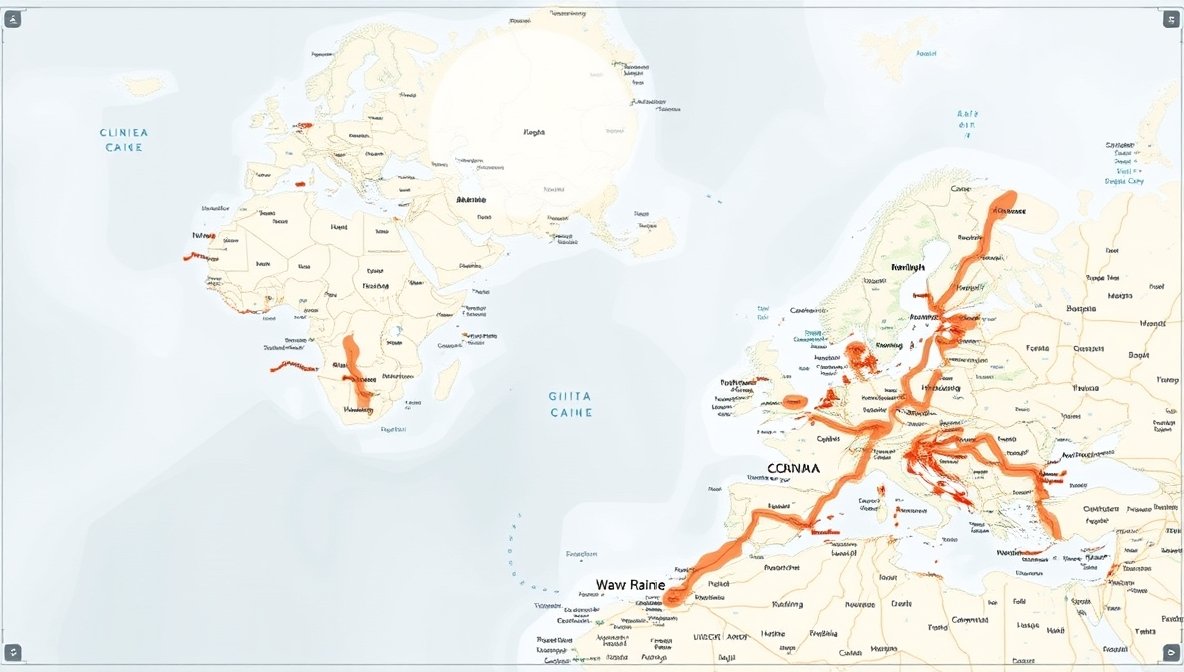
Maps have always played a vital role in helping humans understand and navigate the world around them. From ancient hand-drawn charts to modern digital navigation systems, mapping has evolved significantly over time. Today, advanced mapping technologies are integrated into various platforms, offering real-time data, precision, and accessibility. One such emerging concept that has sparked curiosity is maps in clienage9, which reflects the growing importance of specialized mapping systems in digital environments.
The modern user expects maps to do more than just show directions. They want interactive features, real-time updates, and seamless integration with other tools. This shift has transformed mapping into a dynamic and essential component of technology-driven experiences. Understanding how maps in clienage fits into this broader landscape can provide valuable insights into the future of navigation and spatial data.
The Evolution of Mapping
Mapping has a long and fascinating history. Early maps were created using simple tools and limited knowledge, often based on exploration and observation. These maps served as essential guides for trade, travel, and discovery.
As technology advanced, mapping became more accurate and detailed. The introduction of satellite imagery and geographic information systems revolutionized the field, enabling precise data collection and analysis.
Today, maps are not just static images but interactive tools that provide valuable insights. They are used in various industries, including transportation, urban planning, and environmental monitoring.
Digital Transformation of Maps
The digital revolution has transformed maps into powerful tools that go beyond basic navigation. Modern mapping systems offer features such as real-time traffic updates, location tracking, and route optimization.
The concept of maps in clienage9 highlights the integration of these features into specialized platforms. Digital maps are now capable of adapting to user preferences, providing personalized experiences that enhance usability. how many locations in clienage9
This transformation has made maps more accessible and user-friendly. With the rise of smartphones and internet connectivity, people can access detailed maps anytime and anywhere.
Importance of Mapping in Modern Life
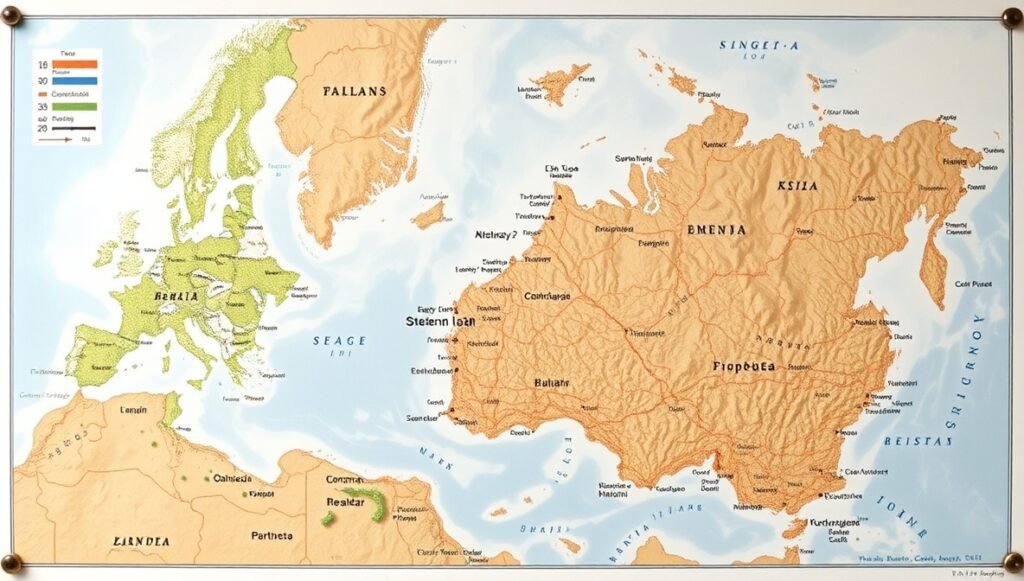
Maps play a crucial role in everyday life, from commuting to exploring new places. They help individuals plan routes, locate services, and understand their surroundings.
The relevance of maps in clienage lies in its ability to provide enhanced mapping solutions tailored to specific needs. Whether it is for business operations or personal use, advanced mapping systems offer significant advantages.
In addition to navigation, maps are used for data visualization. They help organizations analyze patterns and make informed decisions based on spatial information.
Features of Advanced Mapping Systems
Modern mapping systems are equipped with a wide range of features that improve functionality and user experience. These include interactive interfaces, customizable layers, and real-time data integration.
Maps in clienage9 exemplifies these features by offering a comprehensive mapping solution that caters to diverse requirements. Users can access detailed information and interact with maps in meaningful ways.
Another important feature is accuracy. Advanced mapping systems rely on precise data to ensure reliable results. This accuracy is essential for applications such as navigation and logistics.
Applications Across Industries
Mapping technology is used in various industries, each benefiting from its unique capabilities. In transportation, maps help optimize routes and reduce travel time. In urban planning, they assist in designing infrastructure and managing resources.
The concept of maps in clienage9 extends to these applications, providing specialized tools that enhance efficiency and productivity. Businesses can use mapping systems to analyze market trends and improve operations.
In environmental studies, maps are used to monitor changes and assess the impact of human activities. This highlights the versatility and importance of mapping technology.
User Experience and Accessibility
User experience is a key factor in the success of any mapping system. Modern maps are designed to be intuitive and easy to use, ensuring that users can access information quickly and efficiently.
Maps in clienage focuses on improving accessibility by offering features that cater to different user needs. This includes customizable settings and user-friendly interfaces.
Accessibility also involves ensuring that maps are available to a wide audience. This includes compatibility with various devices and support for different languages.
Integration with Other Technologies
Mapping systems are increasingly integrated with other technologies, such as artificial intelligence and data analytics. This integration enhances functionality and provides deeper insights.
The role of maps in clienage9 in this context is to serve as a platform that combines mapping with advanced technologies. This allows users to access comprehensive data and make informed decisions.
For example, AI can be used to predict traffic patterns, while data analytics can provide insights into user behavior. These capabilities make mapping systems more powerful and versatile.
Challenges in Mapping Technology
Despite its many advantages, mapping technology faces several challenges. These include data accuracy, privacy concerns, and the need for continuous updates.
Maps in clienage9 addresses some of these challenges by incorporating advanced features and ensuring data reliability. However, ongoing improvements are necessary to keep up with evolving demands.
Privacy is another important issue, as mapping systems often involve location tracking. Ensuring user data is protected is essential for maintaining trust.
Future Trends in Mapping
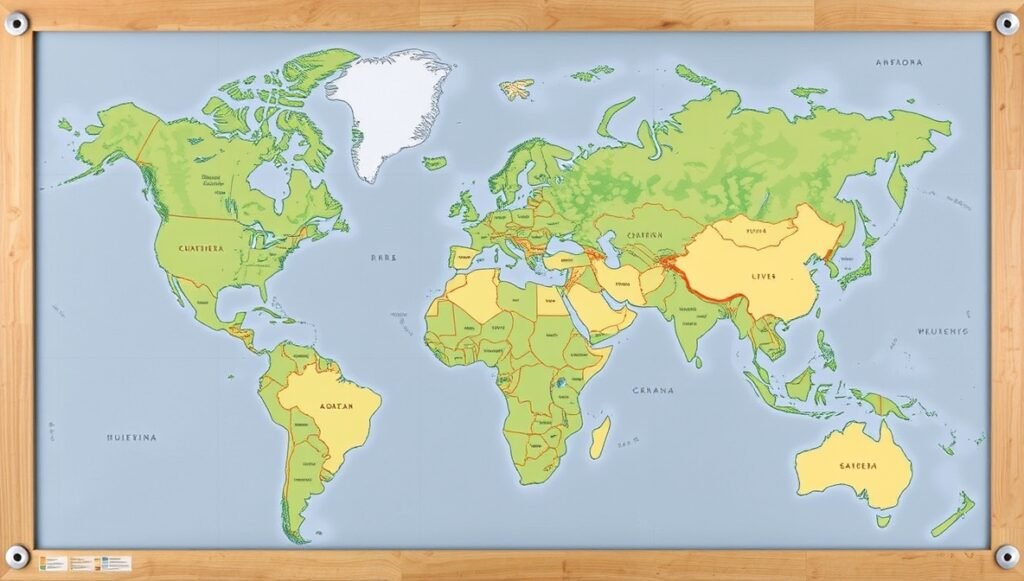
The future of mapping is shaped by technological advancements and changing user expectations. Innovations such as augmented reality and 3D mapping are set to transform the way people interact with maps.
Maps in clienage9 is likely to evolve alongside these trends, incorporating new features and capabilities. This will further enhance the user experience and expand the applications of mapping technology.
As technology continues to advance, maps will become even more integrated into daily life. They will play a key role in areas such as smart cities and autonomous vehicles.
Benefits of Specialized Mapping Systems
Specialized mapping systems offer numerous benefits, including improved efficiency, better decision-making, and enhanced user experience. These systems are designed to meet specific needs, providing tailored solutions.
Maps in clienage exemplifies these benefits by offering a focused approach to mapping. Users can access relevant information and utilize features that align with their requirements.
These systems also support innovation by enabling new applications and use cases. This contributes to the overall growth and development of mapping technology.
Practical Tips for Using Maps Effectively
To make the most of mapping systems, users should familiarize themselves with available features and tools. Understanding how to navigate and customize maps can improve efficiency.
Maps in clienage9 provides various options for customization, allowing users to tailor their experience. This includes adjusting settings and selecting relevant data layers.
Regular updates and maintenance are also important. Keeping maps up to date ensures accuracy and reliability, which are essential for effective use.
The Role of Mapping in Decision-Making
Mapping plays a significant role in decision-making by providing visual representations of data. This helps individuals and organizations analyze information and identify patterns.
The use of maps in clienage9 enhances this process by offering detailed insights and interactive features. Decision-makers can use these tools to evaluate options and make informed choices.
This capability is particularly valuable in fields such as business, logistics, and urban planning, where accurate data is essential.
Conclusion
Mapping technology has come a long way from its early beginnings, evolving into a powerful tool that shapes modern life. From navigation to data analysis, maps play a crucial role in various aspects of daily activities.
The concept of maps in clienage9 represents a modern approach to mapping, combining advanced features with user-friendly design. By understanding its applications and benefits, users can leverage mapping systems to enhance their experiences and achieve their goals.
As technology continues to advance, mapping will remain an essential component of innovation and progress. Embracing these developments will ensure that individuals and organizations can navigate the future with confidence and clarity.